






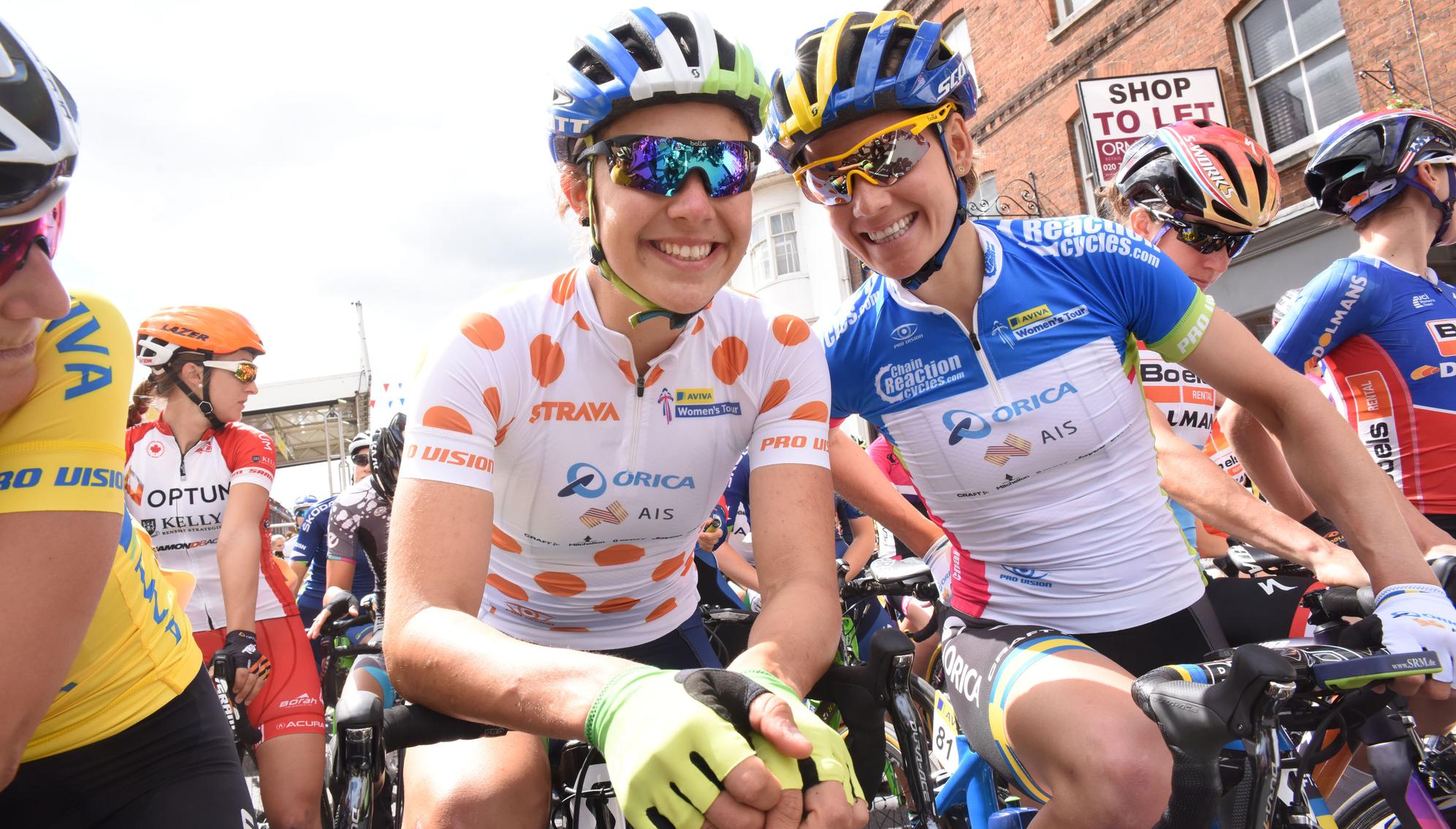
All cyclists in the UK who wish to participate competitively at a regional and national level are required to obtain a full racing licence from British Cycling. This licence then allows them to feature in British Cycling's rankings for their chosen discipline.
But there is much more to cycling and being a member of British Cycling than racing, so you can still enjoy access to advice and support, insurance protection, and discounts for hotels, shops and services, find out more on the benefits of British Cycling membership here.
British Cycling set out a vision in 2013 that they want to get one million more women cycling by 2020. You can find out more about their plans and read regular updates and reports by visiting a website dedicated to the plan. And if that helps to inspire you get out and about on your bike, then take a look at the Breeze website to find out how you can get involved and where you local Breeze rides are.
Don't forget to also find out where your local cycling club is. Joining a club is a great way to get more out of your cycling. British Cycling have a searchable database of clubs available here.
Another way to take your riding up a step is to join the CTC, the national cyclist's charity, find out more about membership here.
How do the teams work?
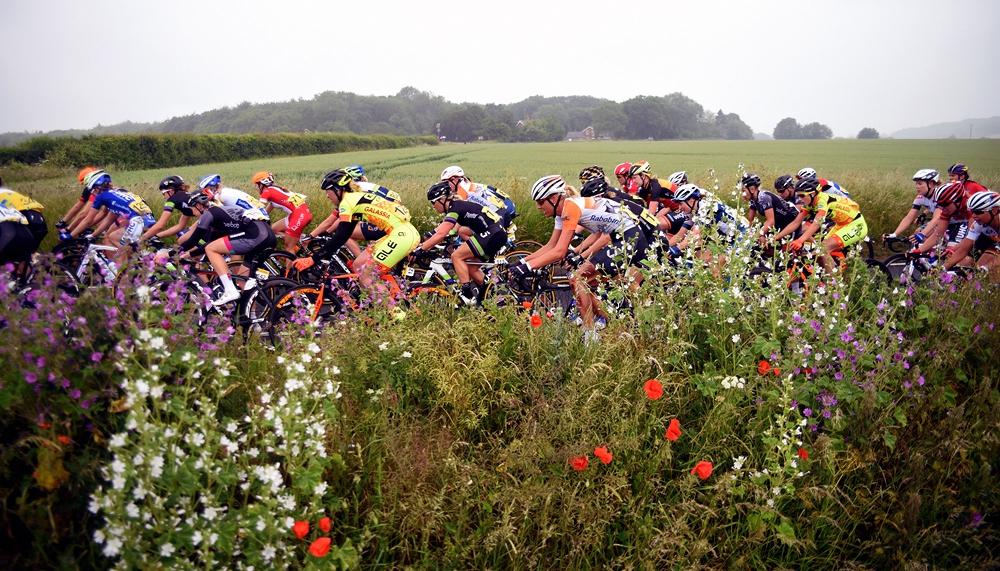
Each of the teams in the Aviva Women's Tour will pick their six rider line-up from their full-season squad of riders.
Generally teams will approach the race with riders in designated roles, such as a team leader to aim for a place as high as possible on the general classification, a sprinter to target stage wins, a specialist climber for the hillier stages and several designated helpers or domestiques.
A domestique is a rider whose sole aim is to help their team leaders. Their role includes sheltering their leaders from the wind, fetching food and drink, to making sure they are in the best possible position during the race, particularly important when approaching the finish. They also have to be ready to give up their bike if one of their leaders suffers a mechanical problem, such as a puncture. Domestiques do not share the glory of their team leaders, but they are vital to any team, whether aiming for stage wins or the overall classification.
On each stage, the domestiques will work to protect the team leader and ensure their leader gets to the line first. If their leader does acquire a leader's jersey it is their role to make sure the leader keeps the jersey too. When it comes to the sprinters, the entire team, including the team leader, will work together to get the sprinter to the finish line first with a leadout train.
Of course thanks to the way the race unfolds with attacks and breakaways, one of the domestiques may find themselves elevated into the role of team leader thanks to their sporting performances.
Where does the Aviva Women's Tour fit in?
In 2016 the Aviva Women's Tour will be part of the UCI's exciting new calendar of races that will make up the brand new UCI Women's WorldTour, earmarked by UCI President Brian Cookson as "a major step forward for women's cycling."
In total there are 17 races that make up the WorldTour taking place over 35-days of racing in nine countries. Four of the events are stage races, with the Tour of Chongming Island in China, Amgen Tour of California and Giro d'Italia joining the Aviva Women's Tour on the schedule, making it the only stage race in Britain and one of just two in Europe on the schedule.
Domestically The Aviva Women's Tour is the biggest women's race in Britain by some way, and the UK's only UCI ranked race and the countries only international stage race. The Bedford 3-Day at the start of May is the UK's next, national level, stage race, while the Matrix Fitness Grand Prix Series (also organised by SweetSpot) provides five town and city centre criteriums during May and June, and British Cycling's Women's Road Series a calendar of road and criterium races between April and August are the top level of domestic racing.
To find out more about road cycling around the world, visit the UCI website.